

Platelet Rich Plasma (PRP) Treatment for Skin and Hair Health
Platelet-rich plasma (PRP) therapy is an advanced procedure that uses a concentration of your own blood components to support natural rejuvenation. This guide explains how the procedure works, its applications in aesthetics, and the professional, clinician-led approach we take at PHI Medical Aesthetics to help you reach your goals.
What is Platelet-Rich Plasma (PRP)?
PRP therapy is a medical procedure that begins with a simple, standard blood draw. We'll then process your blood in a centrifuge—a specialized device that spins at high speeds to separate the blood components. This process isolates and concentrates your platelets, creating a powerful platelet-rich plasma serum.
This serum, which is packed with your body's own growth factors, can then be reintroduced into specific areas of concern, like the scalp or under the eyes, or applied topically alongside a treatment like microneedling to help it absorb.
What can PRP address?
Because it uses your own natural growth factors, PRP is incredibly versatile. In aesthetics, we often use it as part of your personalized treatment plan to address:
| Aesthetic Concern | Target Benefit |
|---|---|
| Skin texture and tone | Rejuvenates overall skin quality, restoring a healthy, radiant glow |
| Fine lines and wrinkles | Softens visible signs of aging by supporting natural tissue repair |
| Hair thinning | Stimulates follicles on the scalp to support hair health and density |
| Under-eye concerns | Brightens and rejuvenates the delicate tear trough area |
Before & After
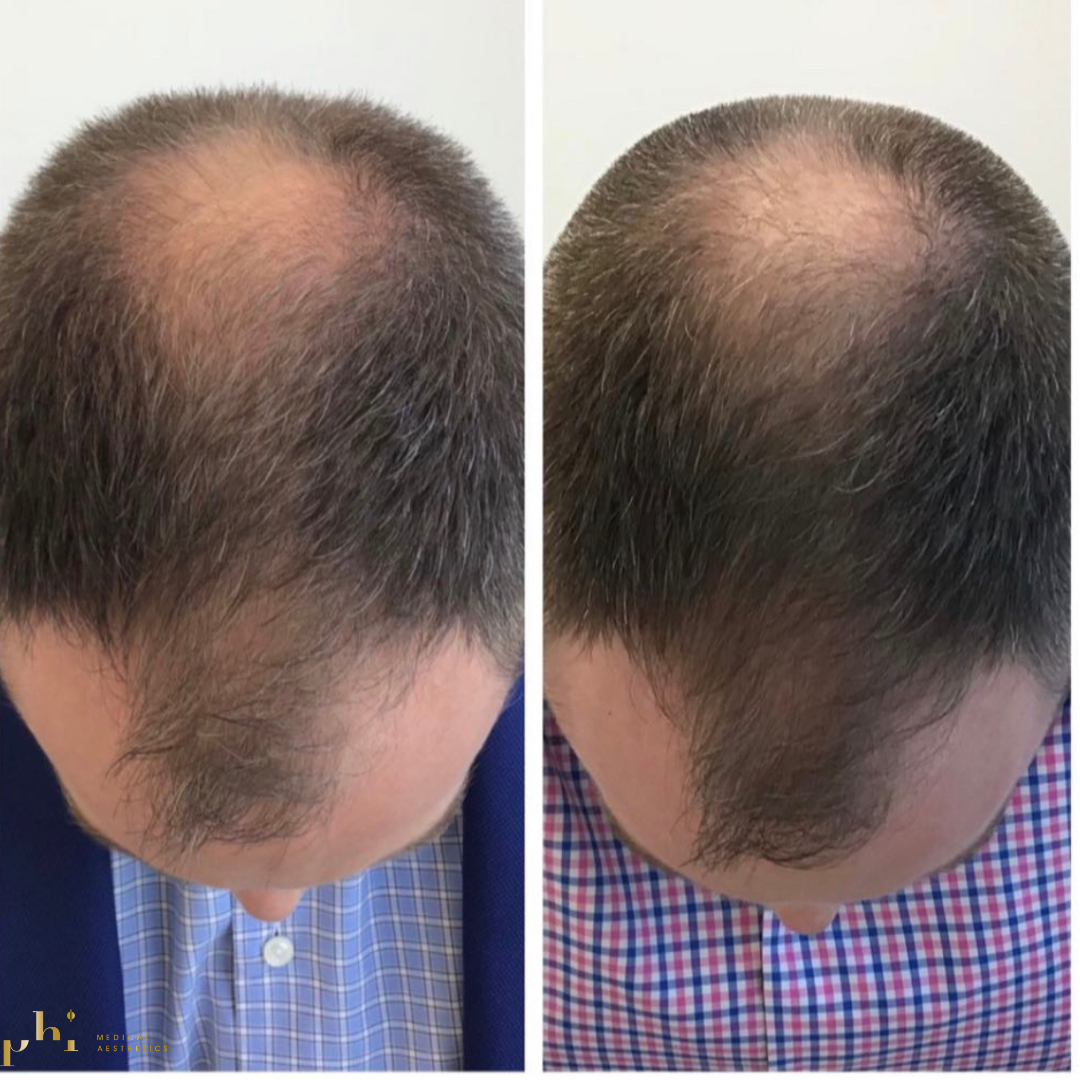
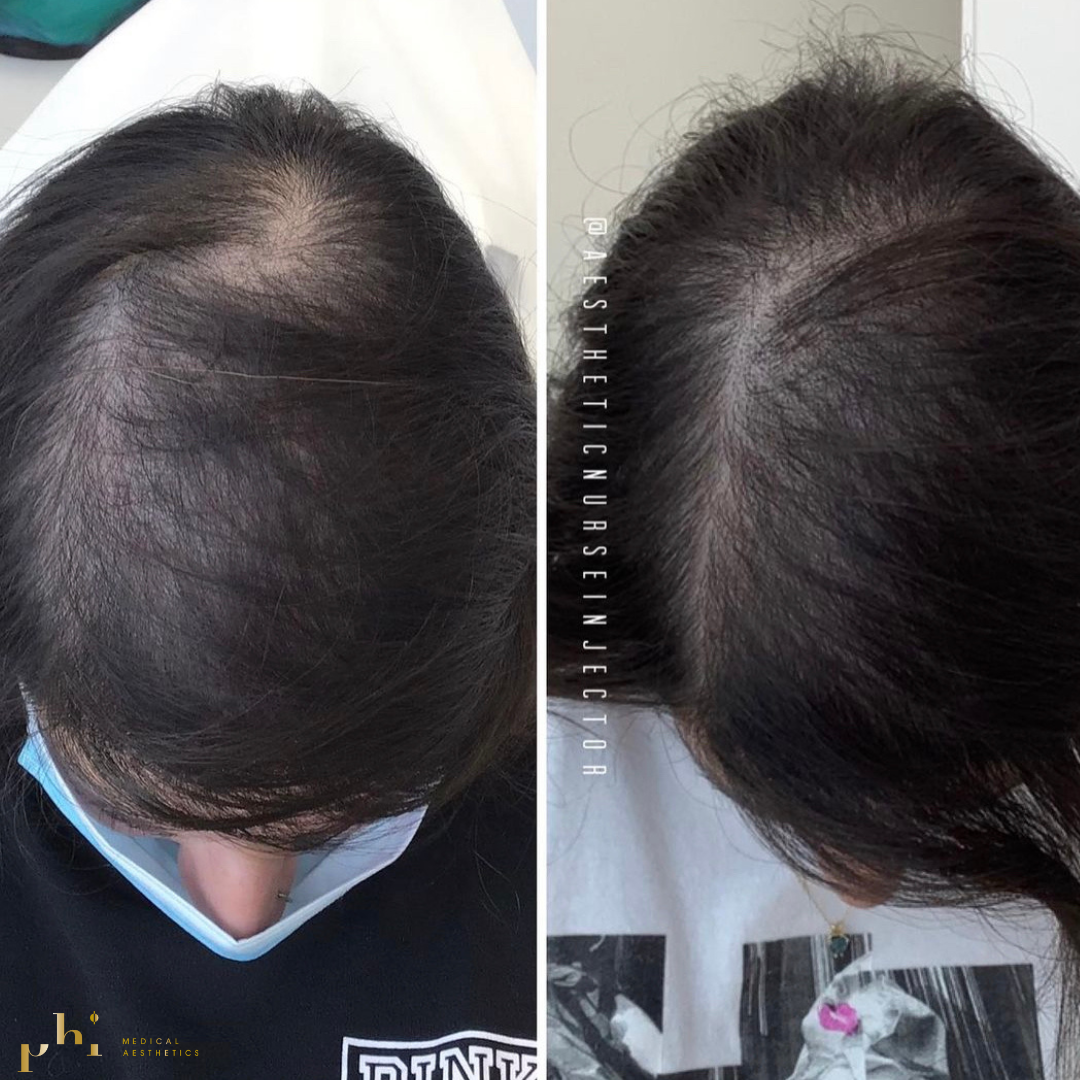
Individual results may vary and are not guaranteed.
What to Expect: Your Journey With Us
PRP is a straightforward, in-clinic procedure that uses your own biological material for beautiful, natural results. Here is how our clinicians manage your treatment:
Goal Setting & Consultation
During your visit, our clinicians will examine the areas you're concerned about, discuss your goals, and outline a tailored treatment plan, including the recommended number of sessions.
The Blood Draw & Processing
Your procedure begins with a simple, standard blood draw. We'll then process your blood in a centrifuge at high speeds to safely isolate and concentrate your natural platelets.
Targeted Application
Your nutrient-rich PRP serum is carefully reintroduced to the specific areas of concern (such as the scalp or under the eyes) or applied topically alongside a treatment like microneedling to maximize absorption.
Natural Rejuvenation
Packed with your body's own growth factors, the PRP begins supporting natural tissue repair to restore a healthy glow or stimulate hair follicles over the following weeks and months.
Who is a good candidate?
Because PRP uses your own biological material, it's an excellent, natural option for many patients. A good candidate is determined after a thorough consultation and medical history review. In general, you should be in good overall health. We'll openly discuss potential risks and expected outcomes so you're able to make a fully informed decision.
When to Wait: This procedure might not be suitable for anyone who is pregnant or breastfeeding, has an active skin infection in the treatment area, has a bleeding disorder or is on blood-thinning medication, or has certain autoimmune conditions.
Frequently Asked Questions
The serum itself is created the exact same way, but the delivery method changes! For hair restoration, the PRP is injected directly into the scalp in the areas of thinning to reach the hair follicles. For skin rejuvenation, it's often injected into targeted areas like the under-eye or used topically alongside microneedling to cover a larger surface area on the face.
Yes, absolutely! PRP pairs beautifully with other clinical aesthetic treatments. Using it alongside a treatment like microneedling allows the growth factors to penetrate deeply into the skin, maximizing the regenerative benefits. We'll discuss which combination options are right for you during your consultation.
In Canada, aesthetic treatments like PRP are generally not covered by provincial health insurance plans. However, if your private insurance plan includes a "Health Spending Account," you might be able to use those funds. We recommend checking directly with your insurance provider.
Important Disclaimer: PRP therapy uses a patient's own autologous blood components. Individual results vary based on age, health condition, and lifestyle factors. Suitability is determined during a thorough medical consultation. Results are not guaranteed.